

Customer Service Week: Thank You for Trusting Home Afrika With Your Property Journey
October 08, 2026
Buying land in Kenya can be one of the most rewarding investments you make—but only if you approach it with clarity and structure.
Too often, buyers focus on price alone. Others rely on word of mouth or future promises without fully evaluating what’s actually on the ground.
The truth is simple:
good land is not just bought—it is evaluated.
This guide walks you through the key factors every investor should consider before making a land purchase.
1. Start With Title and Ownership Verification
Before anything else, confirm that the land legally exists—and that the seller has the right to sell it.
Request:
This step protects you from fraud and ensures you’re dealing with a legitimate property.
If documentation is unclear, that’s already a signal to pause.
2. Evaluate the Location—Not Just the Price
Location is the single most important factor in land investment.
Ask yourself:
A lower price in a poor location can cost you more in the long run.
A well-positioned location, even at a higher entry point, often delivers better value over time.
3. Assess Accessibility and Infrastructure
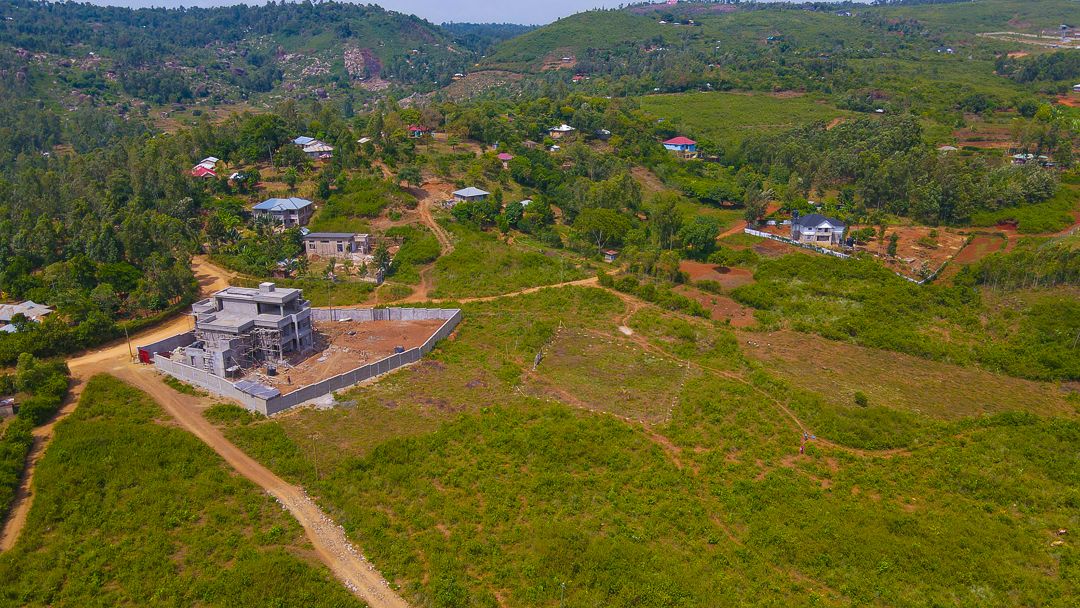
A piece of land should not only look good on paper—it should be practical on the ground.
Check:
If you cannot comfortably access the land, development becomes difficult and costly.
4. Understand the Surrounding Environment
Land does not exist in isolation.
Look at:
These factors influence demand, usability, and future value.
A growing environment signals opportunity.
5. Examine the Topography and Usability
Not all land is equally usable.
Visit the site and observe:
Some plots may require significant preparation before development, which adds cost.
Always evaluate the land as it is—not just how it’s presented.
6. Check Zoning and Intended Use
What you plan to do with the land must align with what the land allows.
Confirm:
This ensures your investment aligns with your goals—whether building, renting, or holding.
7. Consider Long-Term Value, Not Just Immediate Cost
Smart investors don’t just ask, “How much does it cost?”
They ask:
Land investment rewards patience and positioning.
Buying in the right location early often leads to stronger returns.
8. Work With a Credible Developer
Who you buy from matters just as much as what you buy.
A reliable developer provides:
This reduces risk and improves your overall investment experience.
Evaluating land is not complicated—but it requires discipline.
When you take the time to verify documentation, assess location, and understand the environment, you move from guesswork to strategy.
And that is what separates a purchase from an investment.
If you're looking to invest in land with clarity and confidence, our team at Home Afrika is here to guide you.
Explore our current projects or speak to us directly:
📞 +254 769 279 175